
Glass Leak Detection in Pharmaceutical Packaging: Ensuring Product Integrity and Patient Safety
In the pharmaceutical industry, ensuring the safety and quality of products is of utmost importance. One critical aspect of this process is glass leak detection in packaging, particularly in vials and ampoules. Leak testing methods help prevent contamination and maintain product integrity while protecting patient safety.

What is Glass Leak Detection?
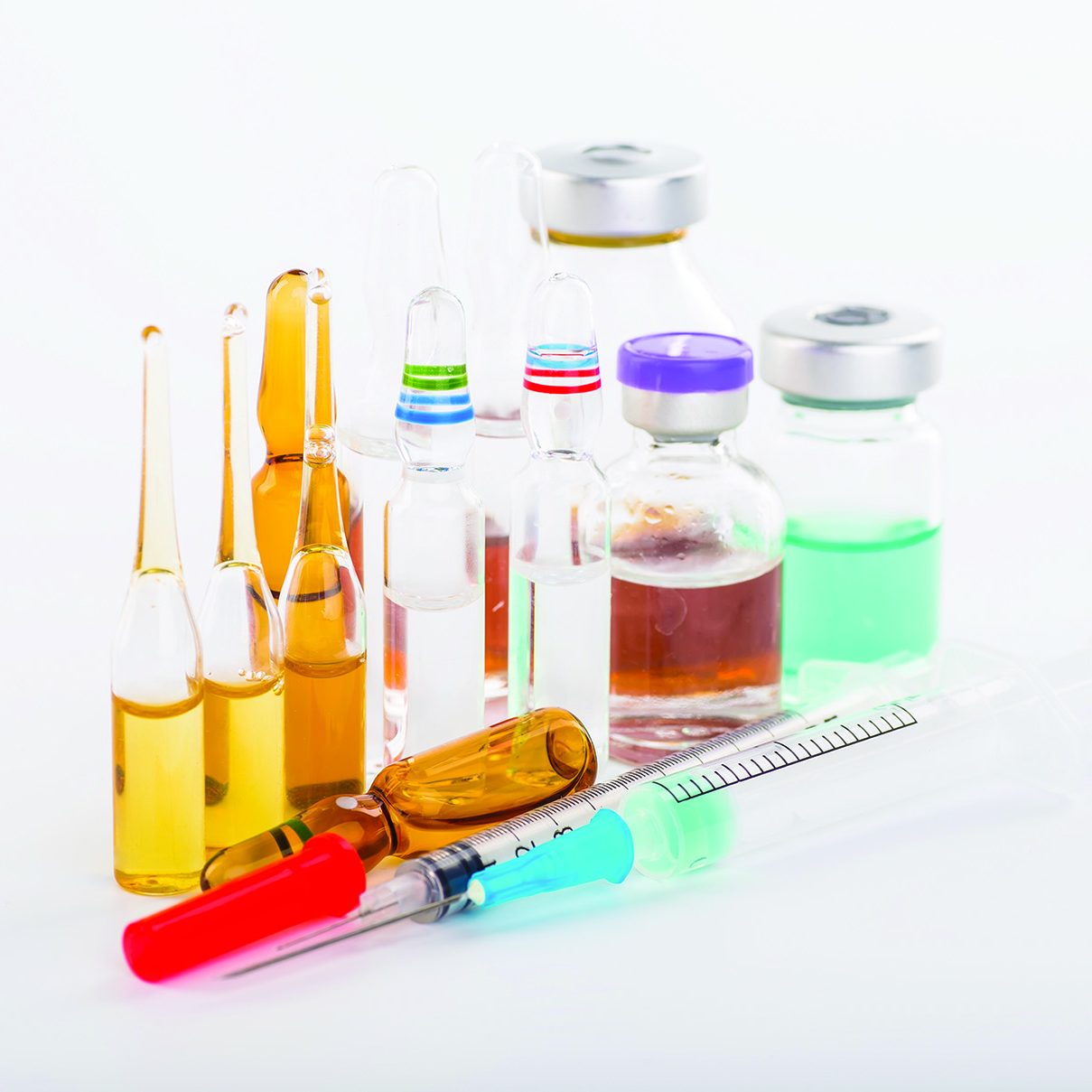
Glass leak detection refers to the methods used to identify any leaks or defects in glass containers, such as vials and ampoules. These containers are commonly used to store pharmaceuticals, including injectable medications, vaccines, and biological products. Any leaks in these containers can lead to contamination, loss of product integrity, and potential harm to patients.
Why is Glass Leak Detection Important?
1. Preventing Contamination
One of the primary reasons for glass leak detection is to prevent contamination.
Leaks can allow bacteria or dust to enter vials or ampoules, compromising sterility
and making products unsafe for patients.
2. Maintaining Product Quality
Pharmaceutical products require precise formulations. Leaks can cause evaporation
of volatile components or change ingredient concentrations, reducing effectiveness.
3. Ensuring Patient Safety
Contaminated or compromised products may cause serious health issues.
Effective glass leak detection ensures only safe, high-quality products reach patients.
4. Compliance with Regulations
Strict regulatory standards require pharmaceutical companies to maintain packaging
integrity. Glass leak detection helps meet compliance requirements and avoid penalties.
Common Glass Leak Testing Methods
There are several methods used for glass leak detection in pharmaceutical packaging. Each method has its advantages and is chosen based on the specific requirements of the product.
1. Vacuum Testing
Vacuum testing is widely used for detecting leaks in vials and ampoules. A vacuum is created
inside the container, and pressure changes indicate even very small leaks.
2. Pressure Decay Testing
This method pressurizes the glass container and monitors pressure loss, helping identify
small defects not visible to the naked eye.
3. Dye Penetration Testing
A colored dye is applied outside the container. If a leak exists, the dye enters the container,
indicating failure. Simple but not suitable for dye-sensitive products.
4. Helium Leak Testing
One of the most sensitive methods, helium gas is introduced and detected using a mass
spectrometer to identify extremely small leaks.
5. Water Immersion Testing
Containers are submerged in water to observe bubbles. This straightforward method is
effective for identifying larger leaks.
The Role of Leak Detection Kits
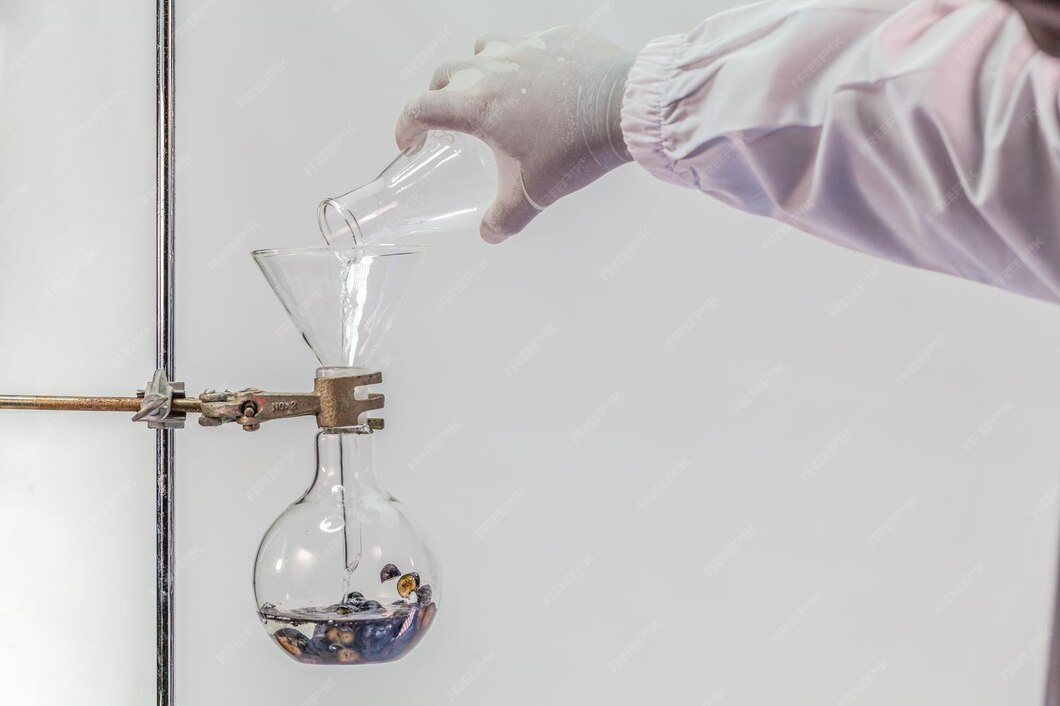
Leak detection kits are essential tools used in the glass leak detection process. These kits often include various testing methods and equipment to help manufacturers ensure the integrity of their products. Here’s how they contribute to effective leak detection:
1. Comprehensive Testing
Leak detection kits provide a range of testing methods, allowing manufacturers to choose the
best approach for their specific needs. This comprehensive testing ensures that all potential
leaks are identified and addressed.
2. Ease of Use
Most leak detection kits are designed to be user-friendly, making it easy for staff to perform
tests without extensive training. This accessibility helps ensure that leak testing is conducted
regularly and efficiently.
3. Cost-Effective Solutions
Using leak detection kits can be a cost-effective solution for manufacturers. By identifying
leaks early, companies can avoid costly recalls and ensure that products meet safety
standards.
4. Documentation and Compliance
Many leak detection kits come with documentation features that help manufacturers keep
track of testing results. This documentation is essential for compliance with regulatory
requirements and can serve as proof of quality control measures.
Conclusion
In conclusion, glass leak detection is a vital process in pharmaceutical packaging that ensures product integrity and patient safety. By preventing contamination and maintaining product quality, effective leak detection methods help protect patients from harmful products. The use of leak detection kits enhances this process, making it easier and more efficient for manufacturers to identify potential leaks. Investing in reliable glass leak detection methods and leak detection kits is essential for any pharmaceutical company. By prioritizing safety and quality, manufacturers can ensure that they provide effective and safe products to patients, ultimately contributing to better health outcomes.