
Top Qualified Toxicologists in India: Role, Responsibilities, and How to Choose the Right Expert
In todays world, safety is more important than ever, especially when it comes to handling chemicals and toxic substances. Qualified toxicologists in India play a crucial role in ensuring that these substances are managed safely. They help protect public health and the environment from harmful effects. This blog will explore the roles and responsibilities of toxicologists, the significance of their work, and how to choose the right expert for your needs. We will also touch upon the importance of glass leak detection in this context.
What is a Toxicologist?
A toxicologist is a scientist who studies the effects of chemicals on living organisms. They analyse how substances can cause harm and work to find ways to minimize risks. In India, qualified toxicologists are essential in various sectors, including pharmaceuticals, agriculture, environmental science, and food safety.
Roles of Qualified Toxicologists in India
1. Risk Assessment
One of the primary roles of qualified toxicologists in India is to conduct risk assessments.
They evaluate potential health risks associated with chemical exposure and determine safe
exposure levels.
2. Research and Development
Toxicologists engage in research to develop safer chemicals and products by studying
substance interactions and reducing harmful impacts.
3. Regulatory Compliance
Toxicologists help organizations comply with national and international regulations by
ensuring products meet safety standards before market release.
4. Environmental Protection
They assess the environmental impact of chemicals, study pollutant effects on ecosystems,
and develop strategies to mitigate environmental damage.
5. Public Health Advocacy
Toxicologists educate communities about toxic substances, promote safe practices, and help
prevent exposure to harmful chemicals.

Responsibilities of Toxicologists
The responsibilities of toxicologists can vary based on their specific roles and industries. Here are some common responsibilities:

1. Conducting Experiments
Toxicologists perform experiments to study the effects of chemicals on living organisms.
They collect data and analyse results to draw conclusions about toxicity levels.
2. Writing Reports
After conducting research, toxicologists write detailed reports outlining their findings.
These reports support regulatory compliance and inform safety decisions.
3. Collaborating with Other Professionals
Toxicologists work with chemists, biologists, and environmental scientists to develop
comprehensive safety assessments and solutions.
4. Training and Education
Toxicologists conduct workshops, seminars, and training sessions for professionals and
the public on toxicology and safety practices.
5. Monitoring and Surveillance
Toxicologists monitor chemical exposure in workplaces and communities, identify hazards,
and recommend actions to reduce risks.
Importance of Glass Leak Detection
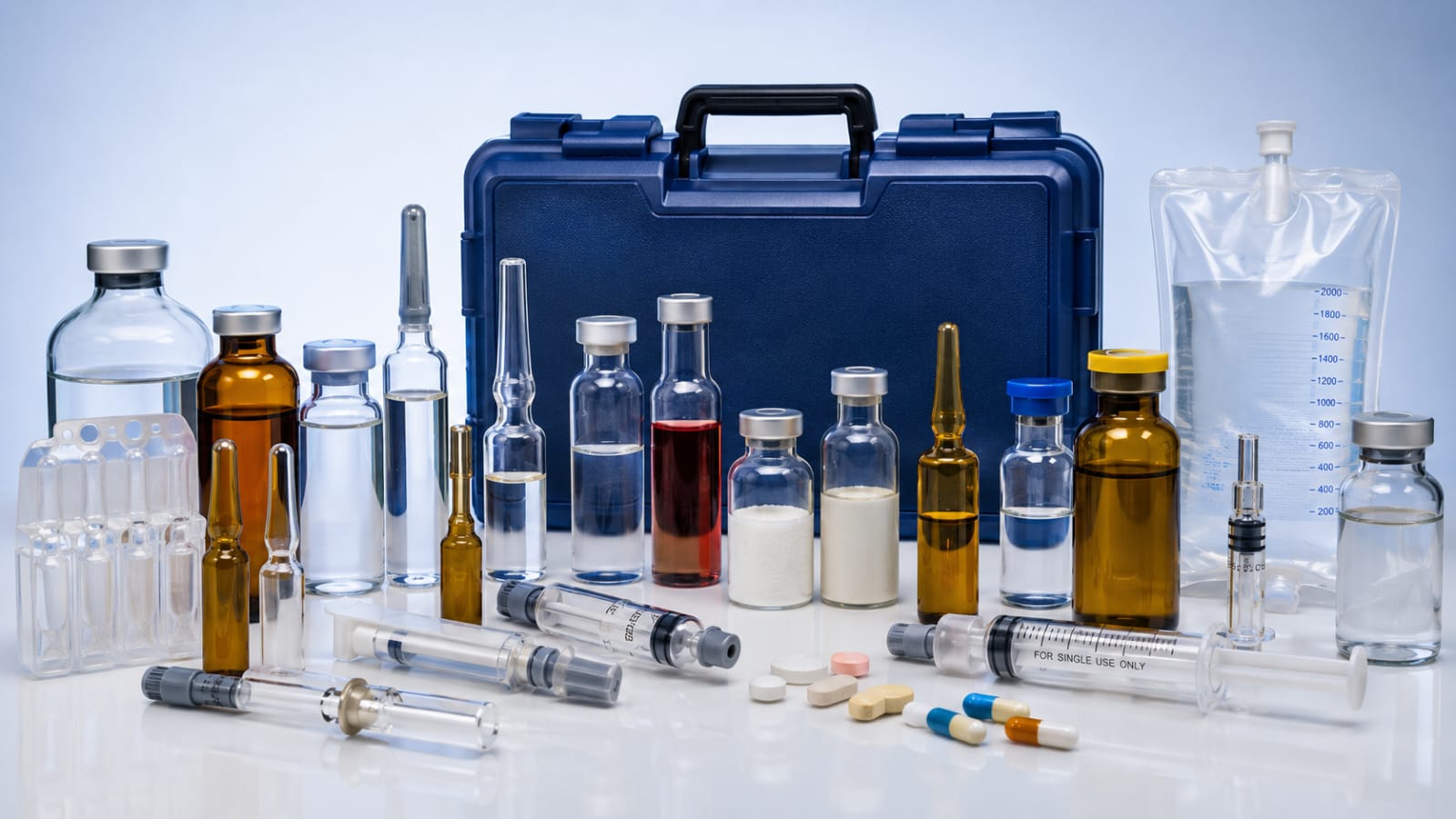
In the context of toxicology, glass leak detection is an important aspect, especially in laboratories and industrial settings. Glass containers are often used to store chemicals, and any leaks can pose significant risks. Here’s why glass leak detection is crucial.
1. Preventing Chemical Exposure
Leaks from glass containers can lead to chemical spills, exposing workers and the
environment to harmful substances. Effective leak detection helps prevent such incidents,
ensuring safety.
2. Protecting the Environment
When chemicals leak into the environment, they can cause severe damage. Glass leak
detection systems can identify leaks early, allowing for quick action to minimize
environmental impact.
3. Ensuring Regulatory Compliance
Many regulations require companies to have leak detection systems in place. By
implementing glass leak detection, businesses can comply with safety standards and avoid
legal issues.
4. Enhancing Workplace Safety
A safe workplace is essential for employee well-being. Glass leak detection contributes to a
safer working environment by reducing the risk of accidents related to chemical spills.
How to Choose the Right Qualified Toxicologist
Choosing the right toxicologist is crucial for ensuring safety and compliance. Here are some tips to help you find the right expert:
1. Check Qualifications
Look for qualified toxicologists in India with relevant degrees and certifications.
A strong educational background in toxicology, chemistry, or related fields is essential.
2. Experience Matters
Consider the experience of the toxicologist. Professionals with industry-specific
experience better understand regulatory and safety challenges.
3. Specialization
Toxicology is a broad field. Choose a toxicologist whose specialization aligns with
your requirements, such as environmental, clinical, or industrial toxicology.
4. Reputation and References
Research reviews, testimonials, and references to assess the reliability and
effectiveness of the toxicologist or firm.
5. Communication Skills
Effective communication is crucial. A good toxicologist should clearly explain
complex concepts and provide actionable recommendations.
6. Commitment to Safety
Choose professionals who prioritize safety, compliance, and best practices
in toxicology and regulatory standards.
Conclusion
In summary, qualified toxicologists in India play a vital role in ensuring safety across industries through risk assessment, research, public health advocacy, and regulatory compliance. Selecting the right expert helps organizations manage toxic substances effectively, comply with safety standards, and protect public health and the environment.